
English pages
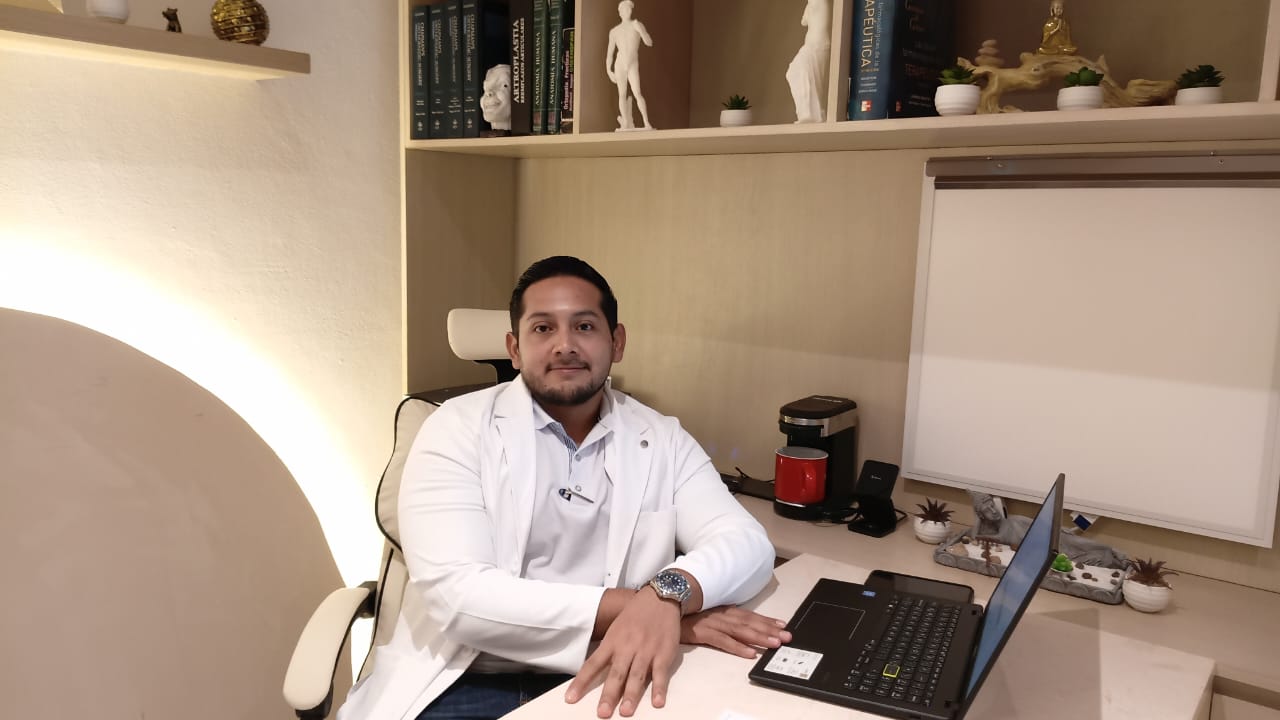
Trauma Doctor in Cancun: Care After an Accident or Fall — Dr. Javier Salazar
Accidents do not wait for a convenient moment. A scooter goes down on wet asphalt, a golf cart stops short, a step off a curb ends with an ankle pointing the wrong way. A trauma doctor in Cancun is who you want in the hours that follow, when the priority is limiting damage and deciding what has to be fixed.
How a Trip Turns Into a Trauma Case
The mechanisms repeat themselves. Scooters and golf carts account for a large share of limb injuries, especially collarbones, wrists and lower legs, because riders instinctively put a hand or a foot out. Wet tile around pools and polished lobbies produce hip and elbow fractures, particularly in older travelers. Then there are the quieter ones: a misstep on a beach stair, a wave that drops someone onto a shoulder.
The First Hour After an Accident
Before anything else, stop making it worse. Do not test the limb by walking on it, and do not let anyone pull on a joint that looks out of place. Immobilize with whatever is at hand, keep the limb elevated, apply cold over cloth rather than on bare skin, and hold off on food and drink until you know whether a procedure might be needed. Then get evaluated.
- Immobilize the limb; do not try to straighten it
- Elevate it and apply cold over cloth, never on bare skin
- Avoid food and drink until a procedure is ruled out
- Photograph the scene and note the exact time
Warning Signs That Mean Being Seen Immediately
Some findings should not wait until morning or until the end of a trip. Obvious deformity of a limb, complete inability to bear weight, numbness or a hand or foot that has gone pale and cold, an open wound over a suspected fracture, or pain that keeps climbing despite rest and medication are all reasons to seek care now. So is a head impact followed by confusion or vomiting.
- Visible deformity or a limb at an unnatural angle
- Numbness, tingling, or a cold and pale hand or foot
- An open wound over a possible broken bone
- Pain that keeps escalating despite rest and medication
How an Injury Is Actually Assessed
Assessment starts with the mechanism, because the forces involved predict the damage. Then comes examination of the joint above and below the painful area, checking circulation, sensation and stability. Imaging confirms or corrects the working theory: X-rays for bone, and cross-sectional studies when a fracture involves a joint surface. Some fractures do well in a cast; others need alignment restored and held. That decision belongs to an individual evaluation.
Records That Matter Long After You Leave
An accident abroad generates paperwork you may need for months: insurance claims, an employer, sometimes a rental company or a police report. Collect it while you are still here. A written description of the injury and the treatment given, dated copies of every image, and a clear note of the expected follow-up will save you long email chains later. Keep it all in one folder on your phone.
Arranging Care From Your Hotel or From Overseas
You do not need a local phone plan or any Spanish to organize this. A WhatsApp message describing what happened, where you are staying and when it occurred is enough to start. Scheduled consultations take place by appointment at Suite 210, Hospital Galenia, on Av. Tulum at Av. Nizuc, SM 12, Cancun. For urgent trauma, availability runs 24 hours a day, every day.
This information is for guidance only and does not replace a medical consultation. Diagnosis and treatment plans are always defined in an individual evaluation.
Frequently asked questions
How do I know if it is broken or just sprained?
You often cannot tell from the outside. Severe sprains swell and hurt as much as fractures, and some fractures still allow limited walking. The signs that point toward a break are tenderness directly over bone, deformity, and being unable to take four steps. An X-ray settles it, which is why an in-person evaluation comes first.
Can a dislocated joint be put back into place right away?
Sometimes, and the sooner it happens the easier it tends to be. But a joint should never be reduced by an untrained person or by pulling on it at the scene, because nerves and blood vessels sit close by and an undetected fracture can be displaced in the process. Imaging before and after is standard practice.
My flight home is in two days. What are my options?
That gets discussed openly during the evaluation. Depending on the injury, options can include stabilizing you for travel with a brace or a split cast and arranging definitive care at home, or treating it here before you fly. Airlines and insurers often have their own requirements, so bring your policy details to the appointment.
What if the accident involved a rental scooter or golf cart?
Document everything early: photos, the rental agreement, and the time of the incident. A written medical report describing the injuries is usually requested by rental companies and insurers alike. Asking for it during the visit, while the details are fresh, is far simpler than chasing paperwork once you have returned home.
Injured in Cancun? Get evaluated by a trauma specialist today
Write to +52 998 145 6857 on WhatsApp with what happened and where you are staying, or call directly. Urgent cases are attended 24 hours a day, every day of the year.